A calm, practical plan for keeping phones, tablets, and medical devices powered when the grid goes down — from pocket power banks to solar.
When the power goes out, the first thing most families reach for is a phone — to check the outage map, call family, keep the kids occupied, or just feel a little less cut off. Which is exactly why a dead battery turns a minor inconvenience into a stressful one. The good news is that keeping your devices charged through an outage is one of the easiest bases to cover, and you can build it up in tiers to match how long you want to be ready for.
Here’s how to never watch that battery percentage tick down in the dark again.
First move: charge everything the moment you see it coming
Before any gear, the simplest habit: when a storm is in the forecast, top everything off. Fully charge phones, tablets, laptops, power banks, and any battery-powered lights. A house full of 100%-charged devices buys you a surprising amount of runway before you need to plug into anything.
Make it part of your family’s “storm coming” routine, right alongside filling water containers. It’s free and it’s often enough for a short outage all by itself.
Tier 1: Power banks (start here)
For most families, a couple of good power banks are the single best purchase. They’re inexpensive, live in a drawer or bag, and each one holds several phone charges. Think in two sizes:
- Pocket-sized, everyday: something like the Nitecore NB10000 is light enough to carry daily and tops off a phone a few times over. Great for a go-bag or a backpack.
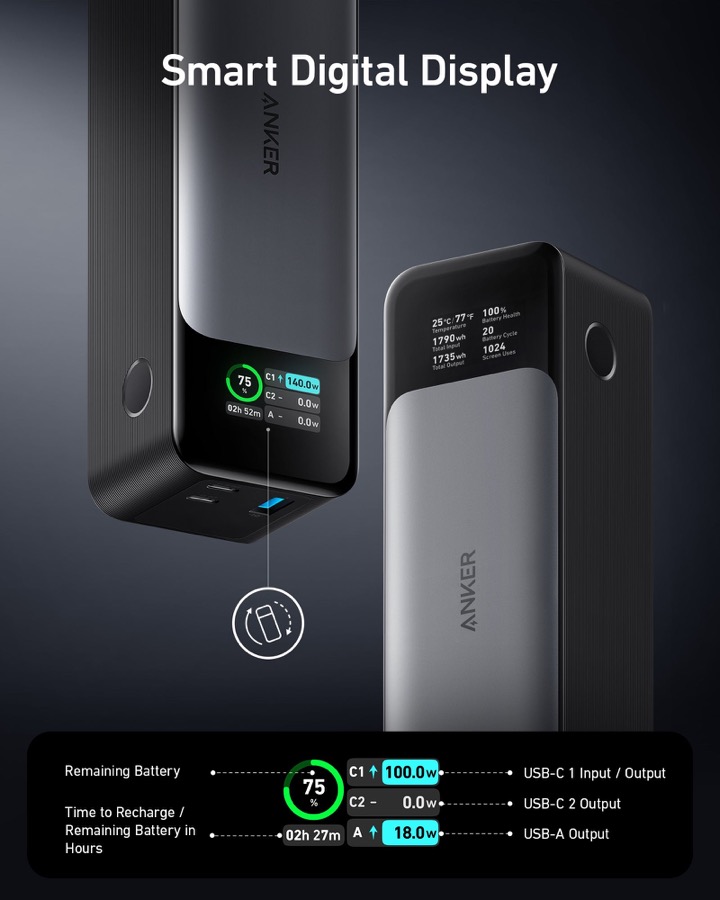
- The powerhouse: a higher-capacity unit like the Anker 737 can recharge phones many times and even trickle-charge a laptop, making it a genuine multi-day helper for the whole family.
Keep them charged and ready — a power bank sitting at 10% when the lights go out doesn’t help anyone. Our power banks roundup covers sizes and price points if you want to compare.
Tier 2: A way to recharge off the grid — solar
Power banks solve a one-day outage beautifully. But what recharges them when the outage stretches into day two or three? For a sunny climate or a longer event, a portable solar charger turns daylight into an endless slow trickle of power.
- A folding panel like the BigBlue 28W unfolds on a windowsill, porch, or backpack and refills your power banks and phones directly from the sun.
- It won’t run your house, but for keeping the communication devices alive indefinitely, it’s a quietly reassuring backstop.
See our solar chargers roundup for panels sized to families.
Tier 3: A power station, if you need to run more
If “keeping devices charged” starts to include a CPAP machine, a laptop for remote work, a few lights, or keeping the fridge cold, you’ve outgrown power banks and want a portable power station (sometimes marketed as a “solar generator”). These are bigger batteries with wall outlets built in — safe to run indoors, quiet, and no fuel required.
- A capable unit like the EcoFlow DELTA 2 runs phones, laptops, lights, and small appliances, and refills fast from the wall before a storm — or from solar panels during a long one.
- A lantern-plus-charger hybrid like the Goal Zero Lighthouse 600 is a nice middle step: real light for the room and a USB port for phones.
We go deep on choosing one in our portable power stations roundup and our full guide to solar generators for home backup. For most families this tier is a “someday” upgrade — power banks and solar cover the essentials for far less.
Don’t overlook the low-tech backups
A resilient plan doesn’t lean on a single device:
- Keep charging cables everywhere — in the car, the go-bag, and next to your power banks. A full power bank is useless without the right cord.
- Your car is a power bank on wheels. A phone charger in the car (used safely, engine running, outdoors) can keep devices alive in a pinch.
- A hand-crank emergency radio with a built-in USB port, like the Eton FRX3, gives you weather alerts and an emergency crank charge for a phone when everything else is dead. It’s a smart companion to a weather radio setup.
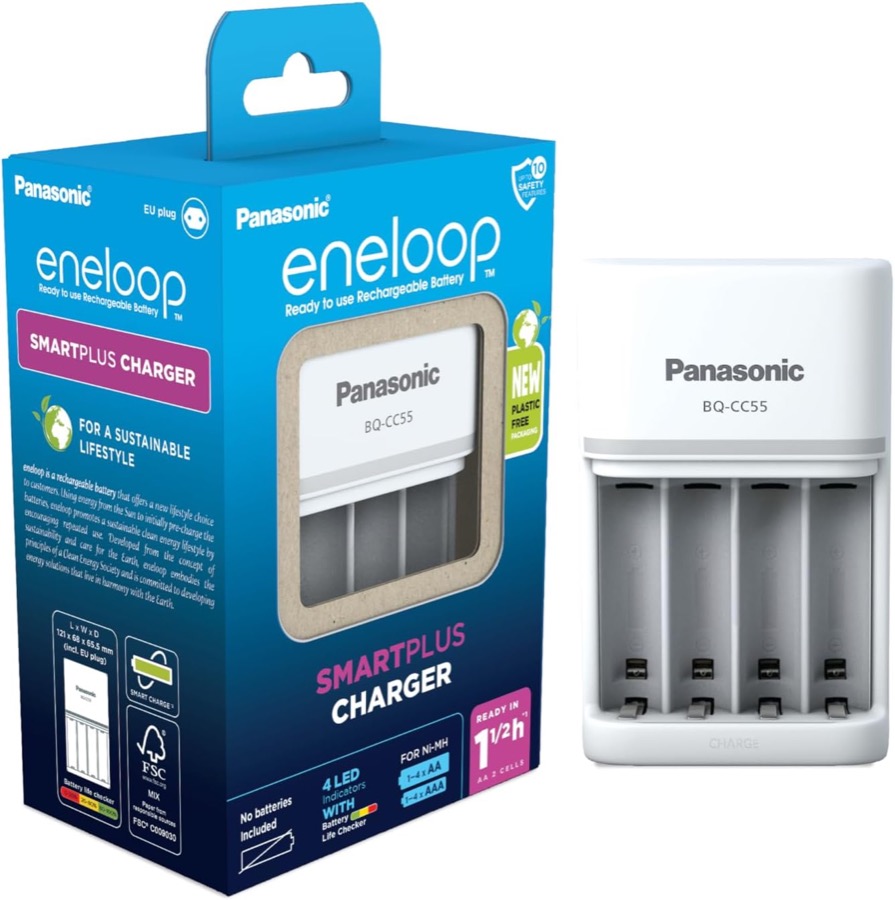
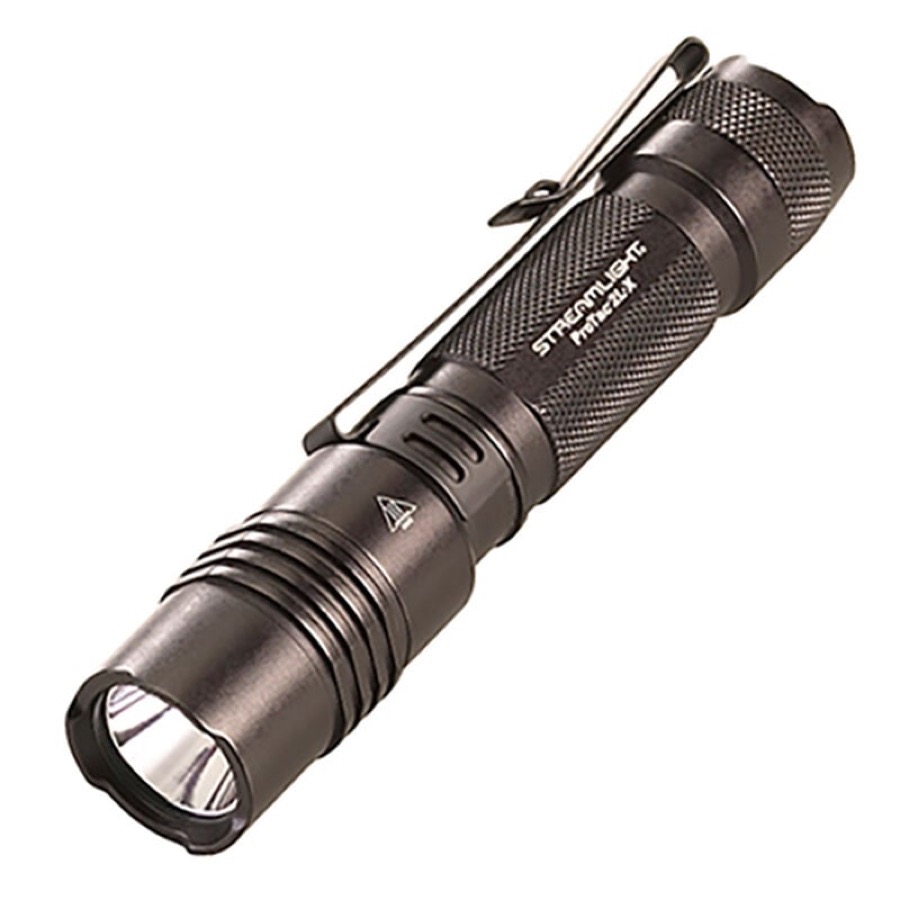
- Keep spare batteries for your flashlights and lanterns so your devices aren’t doing double duty as your only light source. Our batteries and chargers roundup has the everyday stock worth keeping.
Be smart about the battery you have
When you’re rationing power, stretch it:
- Switch phones to low-power mode and turn down screen brightness.
- Use airplane mode when you don’t need a signal — searching for a weak tower drains batteries fast.
- Consolidate — one phone as the “family phone” for updates, the rest powered off, so you’re not draining four batteries to do one job.
- Charge devices during daylight if you’re on solar, and top off the big battery before the sun goes down.
Your calm next step
Start with two power banks, keep them charged, and add the “top everything off” habit when weather threatens — that alone handles the outage most families will actually face. Add a solar charger if you live somewhere prone to longer events, and consider a power station only when your needs grow past phones and lights. Cover those basics and an outage means the kids still have a movie, you still have the outage map, and nobody’s staring at a black screen wondering what’s happening.
By Sunny Supply Co.