How to build an emergency food stash your kids won't refuse — comfort over calories, easy rotation, and picks that work for real families and picky eaters.
Here’s a truth most emergency-food guides skip: it doesn’t matter how many calories are in your storage bucket if your four-year-old takes one bite and pushes it away. During a stressful day, familiar food does something a nutrition label can’t — it makes kids feel safe. So the real goal isn’t just storing food. It’s storing food your family will actually eat, happily, when everything else feels a little upside down.
Let’s build a stash that works for real kids, including the picky ones.
The golden rule: store what you already eat
The most reliable emergency food is the food your family loves on a normal Tuesday. Before you buy a single “survival” product, build a deeper pantry of the shelf-stable versions of meals you already make:
- Pasta and jarred sauce, rice, canned beans.
- Peanut butter, canned tuna and chicken, crackers.
- Shelf-stable mac and cheese, canned soups, canned fruit.
- Oatmeal, cereal, granola bars, applesauce pouches.
- The snacks your kids ask for — pretzels, fruit snacks, cookies. Yes, really.
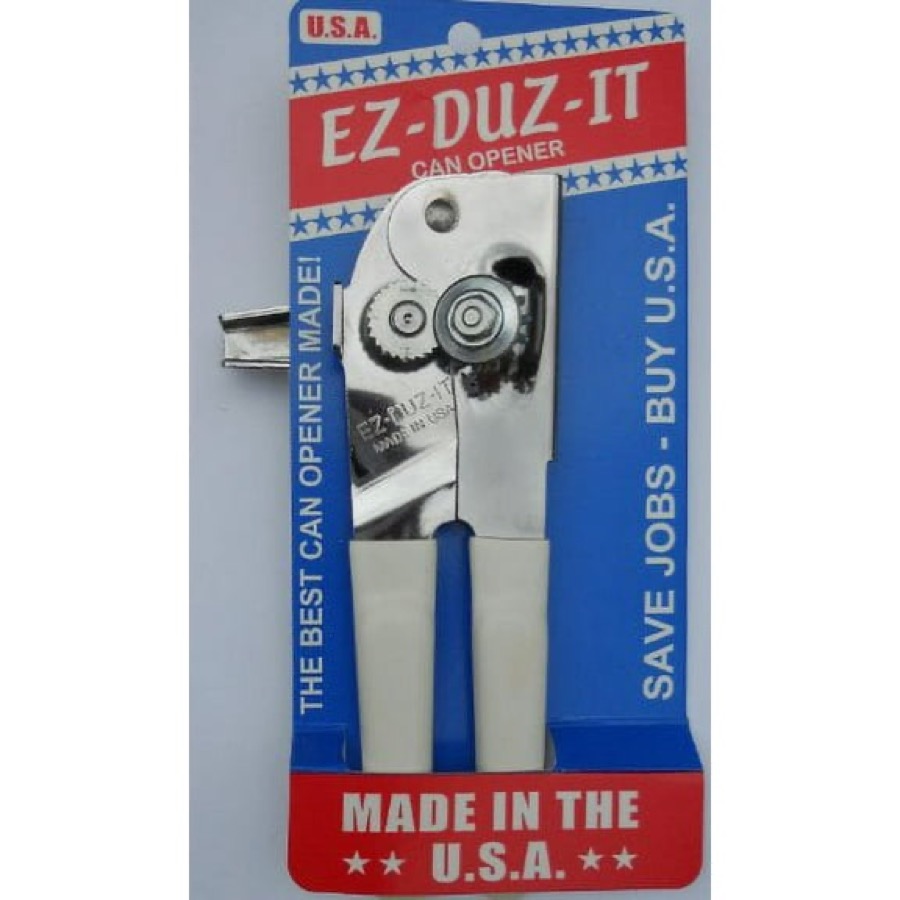
This approach has three quiet advantages: it costs nothing extra beyond buying a little more each trip, it rotates naturally because you eat it, and it means an emergency meal tastes like a normal meal. Keep a manual can opener with the stash so a power outage never stands between you and dinner.
Make sure you can actually cook it
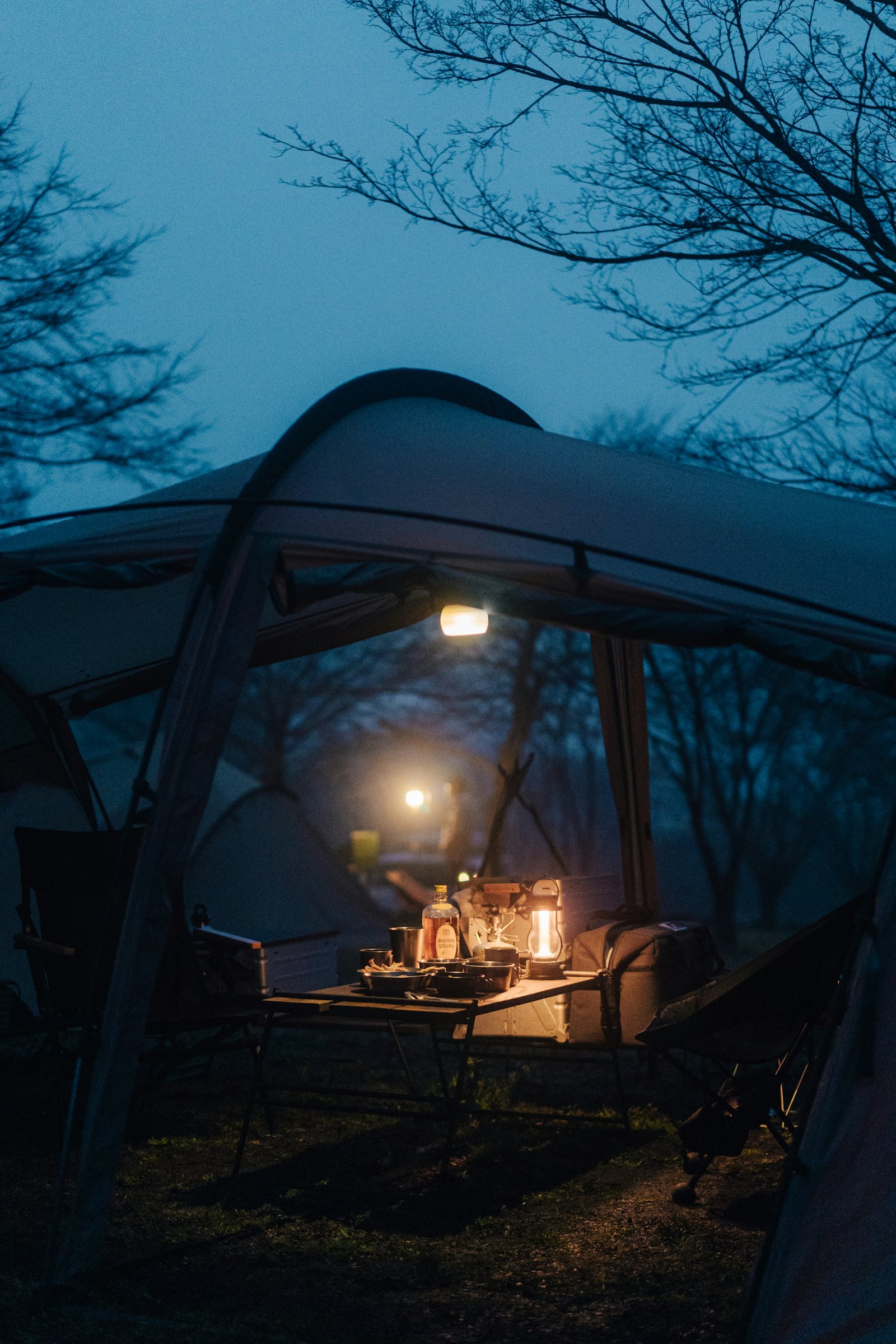
Food you can’t heat is a lot less comforting, and the power may be out. A simple off-grid cooking setup turns cold cans into warm meals and hot cocoa:
- A compact camp stove and a couple of fuel canisters cover most families.
- Even a single hot meal or warm drink can completely reset a kid’s mood during a rough day.
Always cook with any fuel-burning stove outdoors or in a well-ventilated space — never inside a closed room — and pair your setup with a working carbon monoxide detector at home. That one habit is the difference between a cozy camp dinner and a genuine hazard.
Where “survival food” actually fits
Freeze-dried and long-term storage food has a real place — it just shouldn’t be your whole plan. Its superpower is time: it lasts for years untouched, so it’s the deep backstop behind your everyday pantry. A few notes for families:
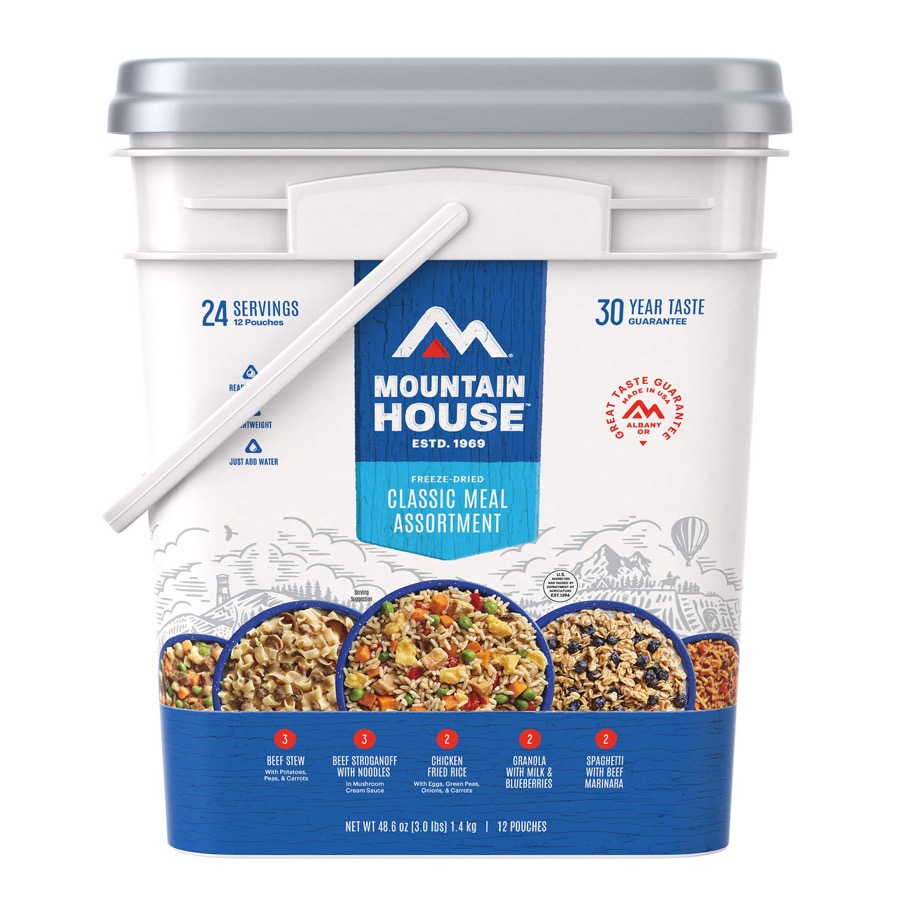
- Freeze-dried meals like the Mountain House bucket or a ReadyWise 72-hour kit just need hot water and tend to be kid-friendly flavors (they’re basically camping food). Let kids taste-test a couple now so you know which ones they’ll accept later.
- Bulk long-term buckets like Augason Farms are the most affordable way to store a lot of calories for the long haul.
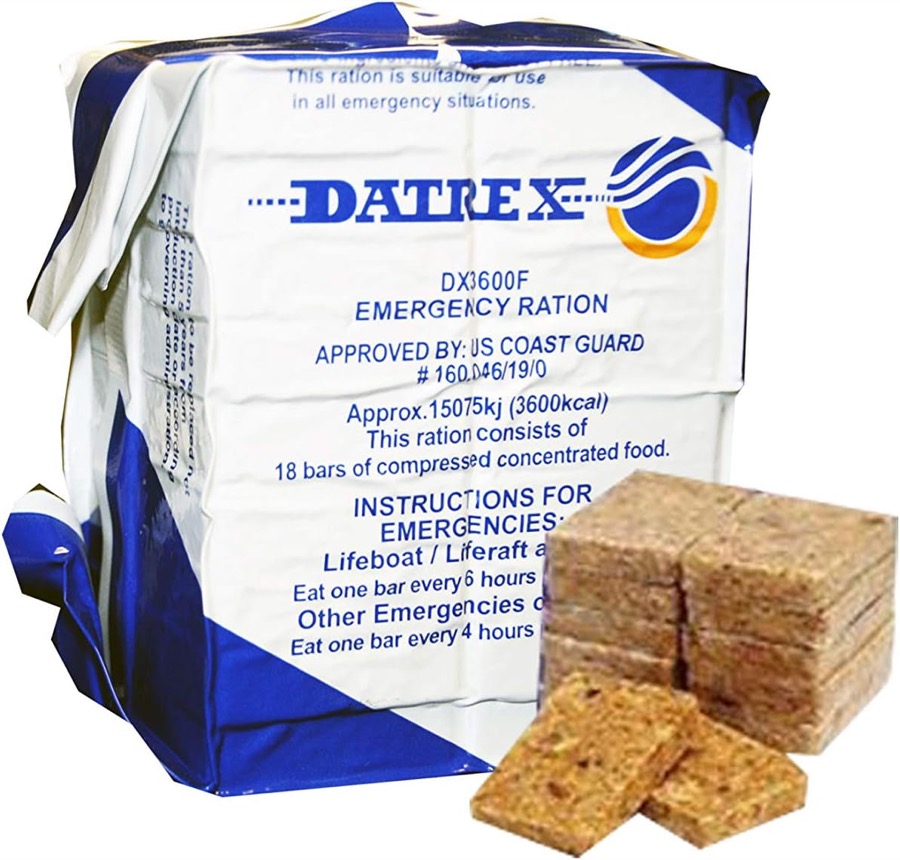
- Calorie bars like Datrex bars are compact, no-cook, and last for years — perfect for a go-bag, though think of them as backup fuel, not a meal kids will love.
Browse our full emergency food roundup for the options worth buying, and emergency ration bars for the grab-bag category.
Don’t forget the littlest eaters
Babies and toddlers can’t just “make do,” so plan for them specifically:
- Formula-fed babies: keep a supply of the exact formula your baby uses, and remember it needs clean water to mix. Ready-to-feed formula like Similac ready-to-feed needs no water or measuring at all, which is a real relief in an outage.
- Toddlers: shelf-stable pouches like Gerber pouches are the ultimate no-cook, no-fuss, familiar food. Kids already know and like them.
Our baby food and formula roundup covers what to stock and how much.
The comfort layer (don’t skip it)
This is the part serious prep guides are too grim to mention, and it might be the most important one for families. Tuck a small stash of pure comfort into your supplies:
- Individually wrapped candy, hot cocoa packets, marshmallows, a favorite treat.
- These weigh almost nothing and cost almost nothing, and they turn a scary night into “remember when we made s’mores by flashlight?”
Morale is a real resource in an emergency, and for kids, a familiar treat is morale you can hold in your hand.
Keep it fresh: the easy rotation habit
Emergency food only helps if it hasn’t quietly expired. Make it automatic:
- Store what you eat, and eat what you store. Put new groceries behind older ones so you use the oldest first — the “first in, first out” trick.
- Check dates twice a year, the same weekend you handle water and first aid. Anything getting close to expiring goes into next week’s meals.
- Taste-test the survival food occasionally so there are no unpleasant surprises — and so kids know what to expect.
How much to store
Start with a three-day supply for everyone in the house, then build toward two weeks as space and budget allow. Aim for meals and snacks kids recognize, a way to heat them, and enough variety that nobody’s stuck eating the same thing for days. And store water right alongside it — food and water go together (here’s how much water your family needs).
Your calm next step
On your next grocery run, buy a few extras of the shelf-stable meals your family already loves, add a couple of comfort treats, and you’ve started. From there, layer in a camp stove and a longer-term food kit as backstops. Do that and the next power outage isn’t a food crisis — it’s grilled cheese by lantern light, and kids who feel completely taken care of.
By Sunny Supply Co.