
A calm, real-life guide to emergency prep for women — the supplies standard checklists forget, and how to get your household ready without the doom, camo, or bunker vibes.
If you’ve ever looked at a “prepper” checklist and felt like it was written for someone else — someone with a bug-out truck and a basement full of ammo — you’re not imagining it. Most emergency prep content skips the things that actually keep a real household running: the prescriptions, the period supplies, the kid who won’t sleep without a specific stuffed animal, the older parent who needs their meds on time.
The good news: getting genuinely ready doesn’t require any of the doomsday stuff. It’s mostly a handful of quiet, practical decisions — and women are very often the ones who end up making them for everyone in the house. This guide is the calm, no-bunker version, written for exactly that person.
Why “women’s prep” is really just thorough prep
A lot of what gets left off standard lists isn’t optional — it’s just invisible to whoever wrote the list. When you’re the person tracking who needs which medication, when the diapers run out, and what everyone eats, you naturally build a more complete picture of what “ready” means.
So this isn’t a niche checklist. It’s the full one. We’ve broken it into two focused companion guides:
- The prep supplies standard checklists forget — a room-by-room look at the medications, hygiene, comfort, and safety items that generic go-bags leave out.
- Period prep: handling your cycle during an emergency — a no-nonsense plan for menstrual care during outages, evacuations, and no-running-water situations.
Start here for the big picture, then dive into whichever companion fits your household.
The five-minute mindset shift
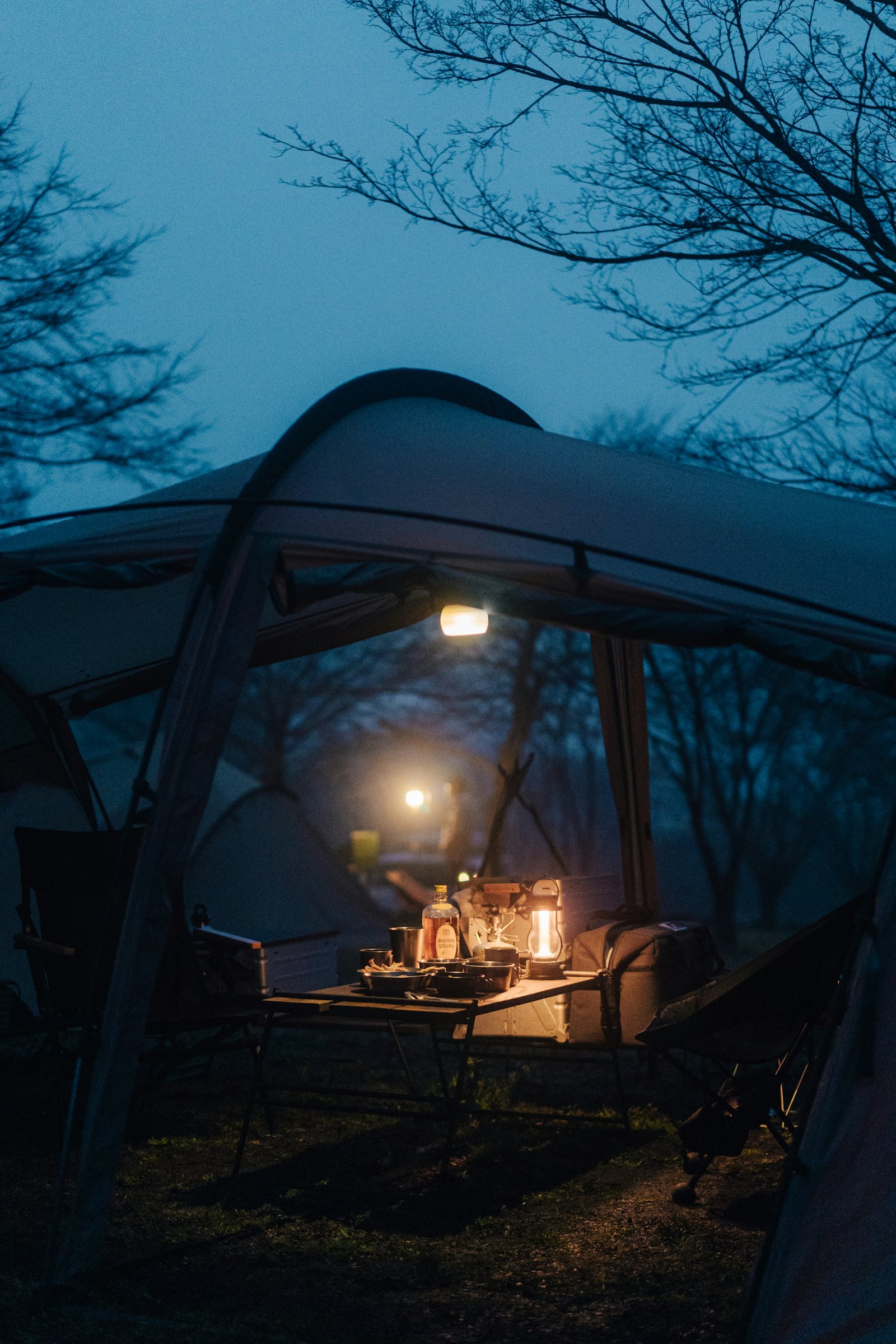
Forget “prepping for the apocalypse.” Prepare for the emergencies that actually happen to normal families: a multi-day power outage, a boil-water notice, a wildfire evacuation, a winter storm that closes the roads, a job loss that makes a stocked pantry a real financial cushion. Each of these is common, survivable, and dramatically less stressful with a little groundwork.
Prep, done right, isn’t about fear. It’s about being the calm one when the lights go out — because you already know where the flashlights are.
Your foundation: the boring basics that matter most
Before any woman-specific extras, everyone in the house benefits from the same core four. If you do nothing else, do these:
- Water. A gallon per person per day is the rule of thumb. Here’s how much your family actually needs, plus storage containers that stack neatly and a filter for when the tap isn’t trustworthy.
- Food. A two-week pantry of shelf-stable meals everyone will actually eat — including the picky ones. Our guide to emergency food kids will actually eat keeps it painless.
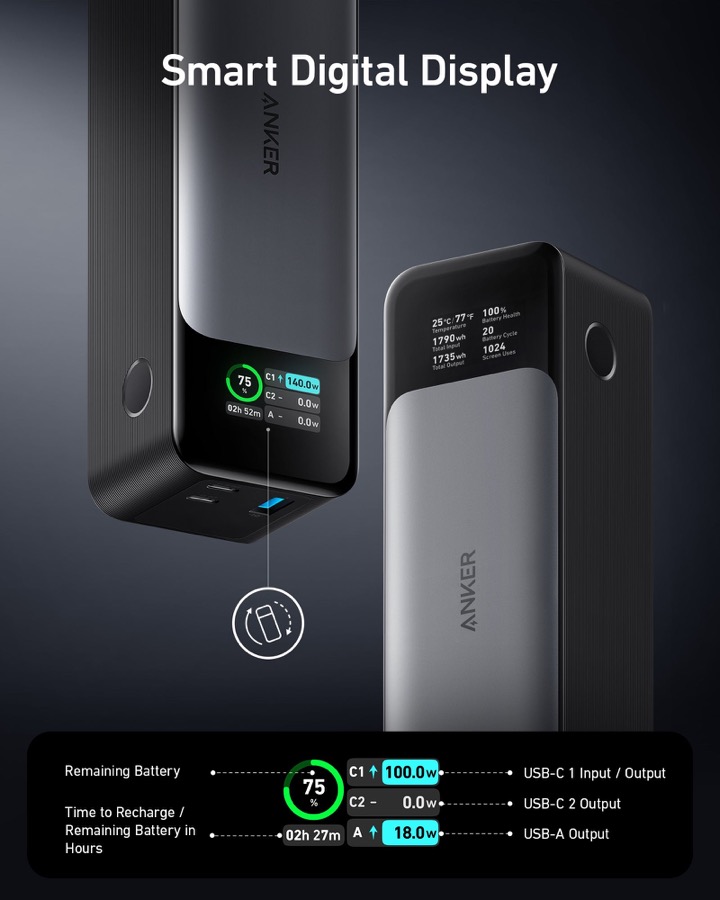
- Power & light. A charged portable power station keeps phones, a lamp, and the fridge alive when the grid drops. It removes most of the stress of an outage in one purchase.
- Information. A crank weather radio keeps you tuned to official alerts when cell service fails.
That’s the shared base. The two companion guides above handle everything the standard lists miss on top of it.
Prep as the household’s “operating system”
Here’s the reframe that makes all of this click: you’re not building a bunker, you’re building a system your family can run on a bad day. That means:
- Everyone knows the plan. Where you’d meet, how you’d reach each other, who grabs whom. Our family emergency plan walks you through it in about fifteen minutes.
- The supplies are where you’d expect them. A labeled bin beats a scattered stash every time.
- You’ve thought about the people who can’t advocate for themselves — kids, elders, pets, anyone on daily medication.
Being the person who’s thought this through isn’t a burden — it’s quiet power. It’s the difference between a household that panics and one that just… handles it.
Where to go next
- New to this? Read the supplies standard checklists forget next.
- Want the focused version? Period prep for emergencies.
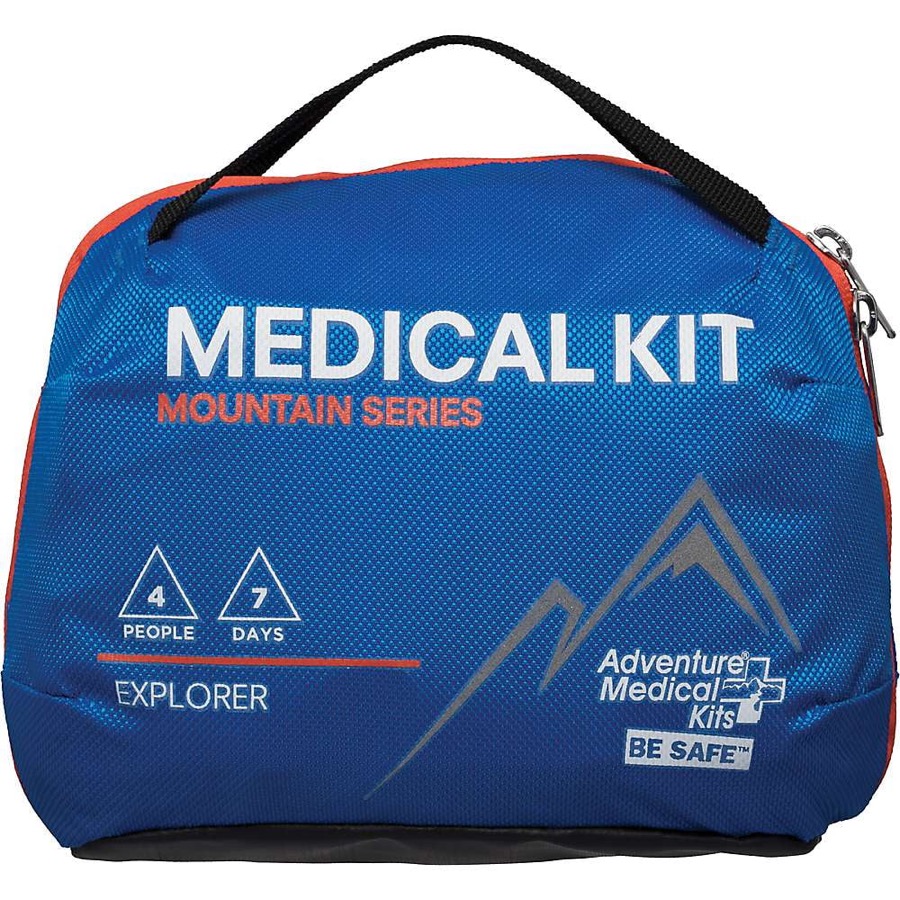
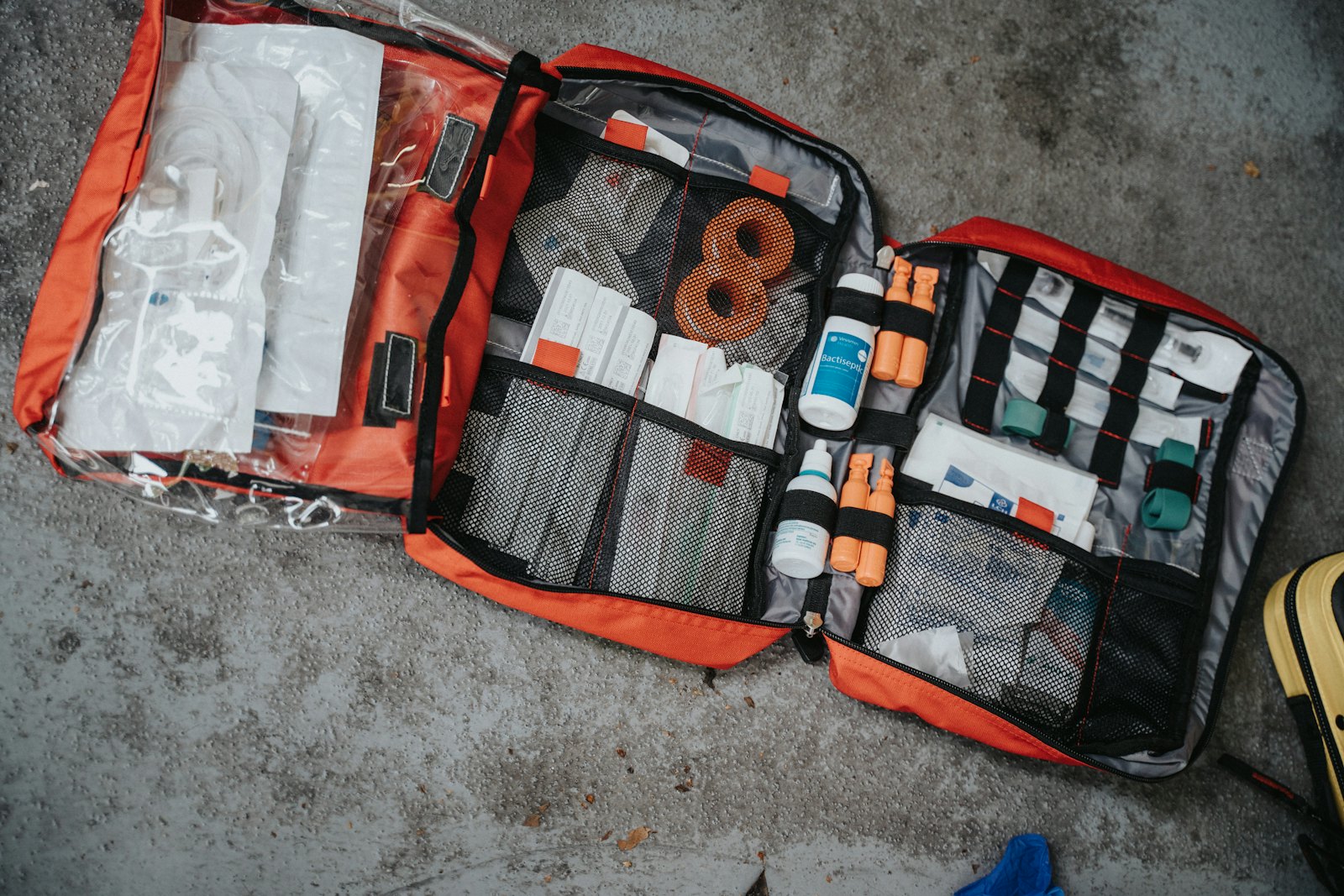
- Building the whole kit? Start with our wildfire go-bag checklist and what belongs in a family first aid kit.
The honest bottom line
You don’t need camo, a compound, or a five-year supply of freeze-dried beans. You need water, food, power, a plan, and the handful of personal items generic lists forget. Do the boring foundation this month, add the personal layer from the companion guides, and you’ll be more genuinely ready than 95% of the people posting about it online — without a single scary purchase.
By Sunny Supply Co.