A practical, non-scary checklist for the first aid kit your family will actually use — from scraped knees to the stuff that matters in a real emergency.
Most family first aid kits fall into one of two traps: the drugstore box that’s 80% Band-Aids and not much else, or the intimidating tactical trauma kit that makes you feel like you need a medic license to open it. The truth is comfortably in the middle. A good family kit handles the everyday stuff constantly — and has a few serious items for the rare day you really need them.
Here’s how to build one you’ll actually use, without the doom.
Start with the honest reality of family injuries
Ninety-nine percent of what a family first aid kit does is small and un-dramatic: scraped knees, splinters, kitchen burns, blisters, headaches, upset stomachs, allergic sniffles. Build for that first, because a kit you reach for every week is a kit you’ll actually keep stocked and know how to use.
Then add a small layer for the bigger stuff — a deep cut, a bad fall, a burn — so you’re not caught flat-footed. That’s the whole philosophy.
The everyday layer (the 90% you’ll use most)
This is the core of any family kit:
- Adhesive bandages in a range of sizes, plus a few knuckle and fingertip shapes kids inevitably need.
- Gauze pads and a roll of gauze, plus medical tape.
- Antiseptic wipes and an antibiotic ointment.
- Tweezers (splinters, ticks) and small scissors.
- An instant cold pack or two.
- Blister care — moleskin or hydrocolloid bandages are small miracles.
- A digital thermometer.
- Nitrile gloves — a couple of pairs, because you’ll want them.
- Elastic wrap bandage for sprains.
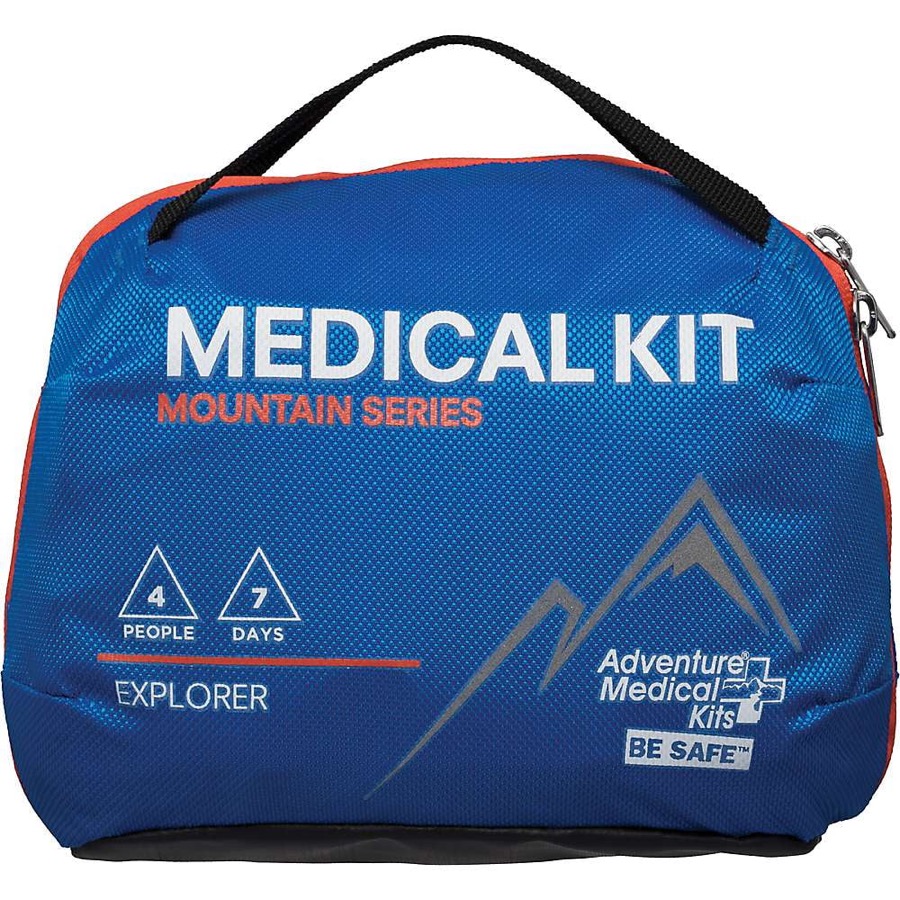
If you’d rather not assemble this piece by piece, a well-built pre-made kit is a perfectly good starting point. The Adventure Medical Kits family kit is organized by injury type, which makes it fast to grab the right thing under stress. Our full first aid kits roundup covers other sizes and price points.
The medicine layer (don’t forget this)
This is the part people leave out, and it’s often what you actually reach for at 2 a.m. Keep a small, current stock of over-the-counter basics:
- Pain and fever reducers — both acetaminophen and ibuprofen, in adult and kids’ versions.
- Antihistamine (like diphenhydramine) for allergic reactions and bug bites.
- Anti-diarrheal and antacids — an upset stomach is miserable and common, especially when you’re eating differently during an emergency. A combined stomach-relief kit covers it.
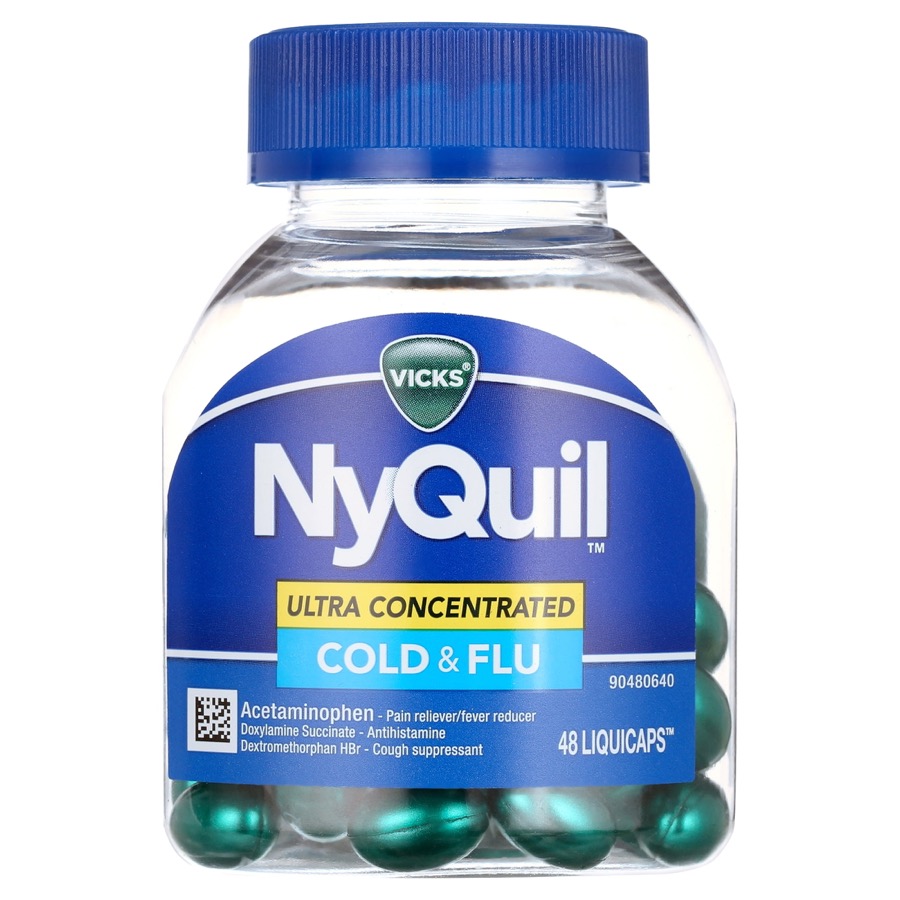
- Cold and flu relief — a stocked DayQuil/NyQuil supply means a sick kid during an outage isn’t also a trip to a closed pharmacy.
- Any prescriptions your family relies on. Keep a few days’ buffer, and store them with the kit so they don’t get forgotten in an evacuation.
Our over-the-counter medicine roundup has the full family medicine-cabinet checklist. And if anyone in your home takes daily medications, a simple medication organizer keeps doses straight when routines get disrupted — which is exactly when mistakes happen.
The “serious day” layer (small, but it matters)
You don’t need to become a trauma surgeon. But a few items handle a bad injury while you get help, and knowing they’re there is a real source of calm. Add:
- A pressure/trauma dressing and a way to control heavy bleeding.
- A larger burn dressing.
- A triangular bandage (sling, tie-off, improvised support).
If you want this covered without building it yourself, a dedicated trauma kit like the MyMedic MyFAK packs the serious-injury gear in one grab-and-go pouch. Our trauma kits roundup explains what’s worth having and what’s overkill for a family — because most families genuinely don’t need the biggest option.
Match the kit to where it lives
One kit rarely does everything. Most families end up with a few, sized to their spot:
- The home kit — the big one, in a known, easy-to-reach place everyone can find in the dark.
- The car kit — a compact version, because a surprising share of injuries happen away from home. It pairs naturally with a car emergency kit.
- The go-bag kit — small and light, focused on wound care and personal meds, ready to travel if you ever have to leave.
If someone in your household has specialized needs — mobility equipment, diabetic supplies, anything that requires refrigeration — build that in deliberately. Our medical and mobility supplies roundup is a good starting point.
Two things more important than any gear
Keep it current. A first aid kit is only as good as its contents. Twice a year — the same weekend you rotate water and test detectors — open the kit, restock what’s been used, and toss expired medications. Ten minutes, and it’s ready when you need it.
Know how to use it. The best investment isn’t a bigger kit; it’s a basic first aid and CPR class for the adults in the house. A couple of hours of hands-on practice does more for your family’s safety than the fanciest gear on the shelf, and it turns “I hope I’d know what to do” into “I’ve got this.”
Your calm next step
Pick the level that fits today and start there. A solid pre-built family kit plus a small OTC medicine stock covers the vast majority of what real families face — and it means the next scraped knee, fever, or worse is something you’re simply ready to handle. That readiness, quietly sitting in a closet, is the whole point.
By Sunny Supply Co.