When wildfire threatens, minutes matter. Here's a calm, complete go-bag checklist and evacuation plan so your family can leave quickly and safely.
Wildfire is different from most emergencies in one important way: when it’s time to go, you may have only minutes, and you leave rather than shelter in place. That sounds frightening, but it’s actually a reason to feel more calm, not less — because the whole game is decided ahead of time. A family with a packed go-bag and a simple plan can be in the car and moving to safety while others are still deciding what to grab. The preparation is what turns a scary situation into a manageable one.
Here’s how to be that family.
The mindset: ready to leave, early
The single most important wildfire decision is to go early. Evacuation orders can come fast, roads clog quickly, and smoke makes everything harder. If you’re on alert, don’t wait for the last possible moment — leaving early is always safer than leaving late. Everything below exists to make “go now” as easy as picking up a bag and buckling the kids in.
Start with our wildfire scenario page for the full picture, then build your go-bags below.
The family go-bag checklist
Keep one packed bag per person (kids can carry their own small one), plus a shared family bag. Store them somewhere you can grab on the way out the door. Here’s what goes in:
The essentials
- Water and snacks. Enough water and easy, no-cook food for at least a day per person. A filter bottle like the LifeStraw Go or Grayl GeoPress lets you safely refill from any tap along the way.
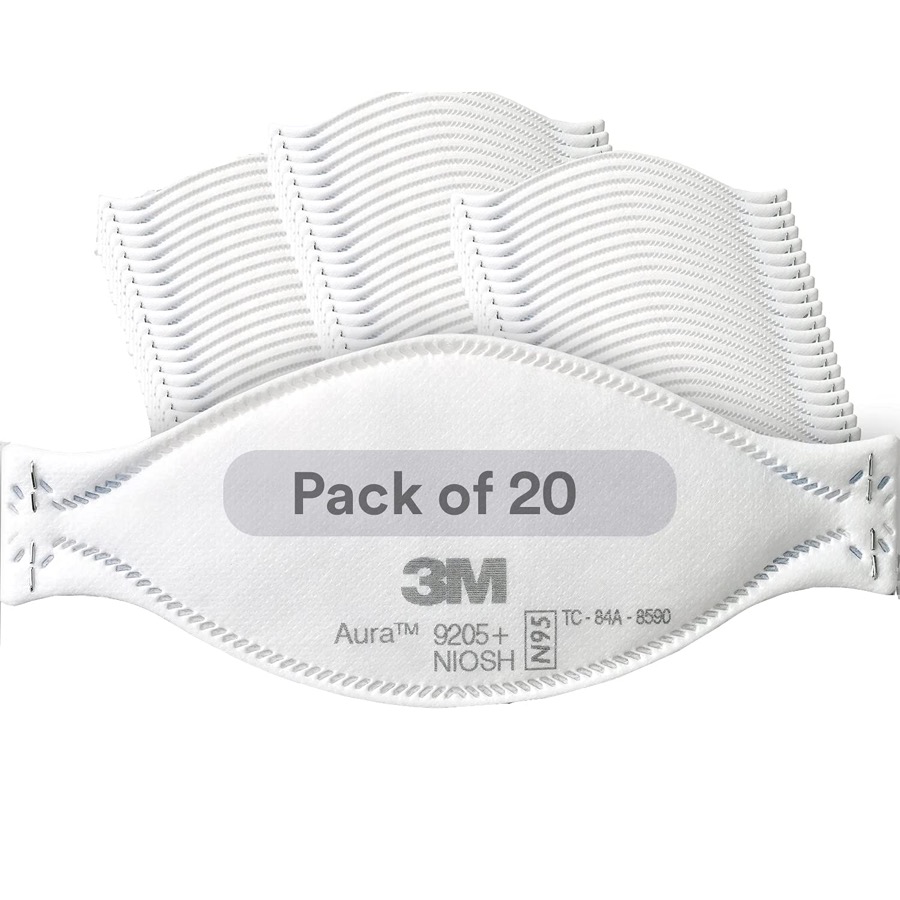
- N95 masks for everyone. Wildfire smoke is a serious health hazard, especially for kids and anyone with breathing issues. A supply of N95 masks like the 3M Aura is one of the most important wildfire-specific items you can pack.
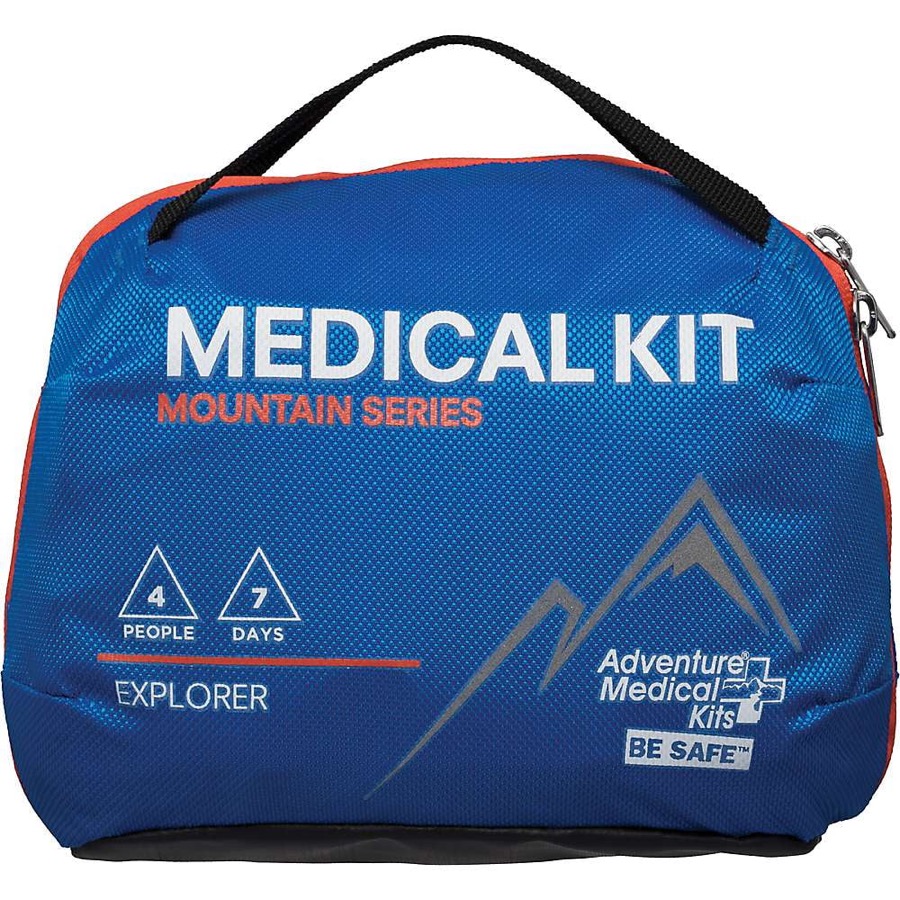
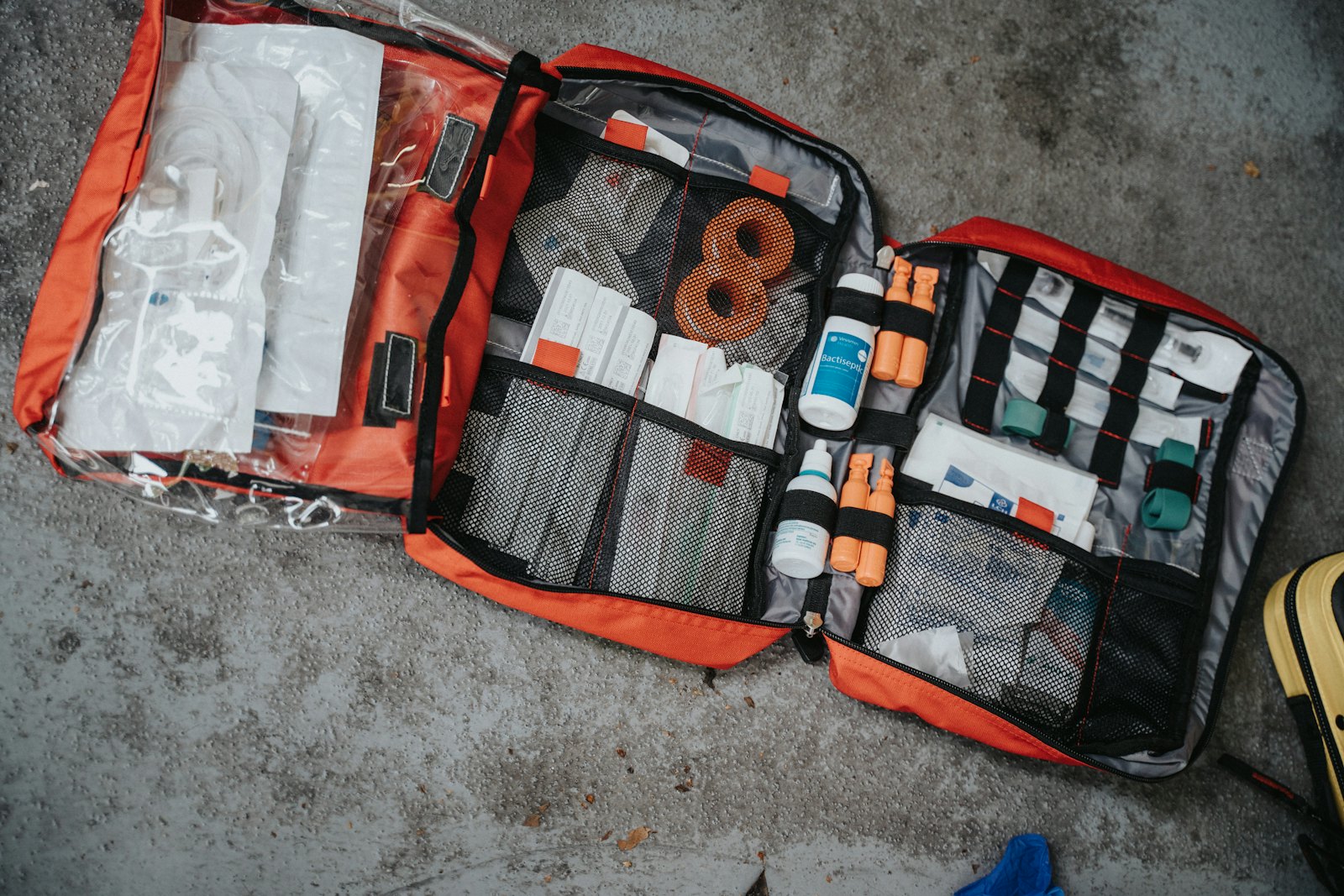
- A first aid kit. A compact first aid kit plus any personal medications — pack at least several days’ worth, since you may not get home soon.
- Flashlights and a headlamp per person, plus spare batteries. Hands-free light matters if you leave at night.
- Phone chargers and a power bank. Keep a charged power bank in the bag so you can stay reachable. For longer displacement, a folding solar charger keeps devices alive off-grid.
- A weather/emergency radio for official updates when cell service is overwhelmed — see how to choose one.
The documents and irreplaceables
- Copies of critical documents — IDs, insurance, medical records, and photos of your home for claims — in a waterproof document bag, plus digital copies in the cloud. Our document storage roundup covers the options.
- Cash in small bills, since card systems may be down.
- A little comfort for each kid — a favorite stuffed animal, a small toy, a familiar snack. During a chaotic day, this does more for a child than almost anything else you can pack.
For the whole household
- Pets. Have a pet evacuation kit ready — leash, carrier, food, water, and their records. Our pet emergency supplies roundup helps you build it. Never leave pets behind; plan for them now so it’s not a scramble later.
- Special needs. Medications, medical equipment and its power needs, mobility aids, baby formula and supplies — pack anything a family member truly can’t do without.
Before the season: harden the plan and the home
A few things are worth doing well before any smoke is in the air:
- Sign up for local emergency alerts so warnings reach your phone directly, and know your county’s evacuation zones and routes — including a couple of different ways out, in case one is blocked.
- Agree on a family meeting point and an out-of-area contact everyone can check in with if you get separated. A quick text to one relative is easier than reaching each other directly when networks are jammed.
- Reduce risk around the house — clear dry brush, leaves, and flammable clutter from around the structure to create defensible space. It genuinely improves your home’s odds.
- Keep the car ready — gas tank at least half full during fire season, so “go” never means “stop for gas first.”
When an evacuation warning comes
If you’re told to be ready — or you simply feel it’s time — move calmly through this:
- Load the go-bags, pets, and people first. Everything essential is already packed, so this is fast.
- Grab the extras if (and only if) there’s time — laptops, chargers, the photo albums by the door, additional medications.
- Dress for it. Long sleeves, long pants, closed shoes, and masks ready — smoke and embers are no place for shorts and sandals.
- Do a quick house pass if time allows: close windows and doors, turn off gas if instructed, leave exterior lights on so the home is visible in smoke.
- Go — and follow official routes. Don’t take unfamiliar shortcuts that could be blocked or lead toward the fire.
Keeping kids calm on the way out
Kids read your energy. A packed bag lets you stay matter-of-fact: “We’re going on a trip to stay safe while the firefighters do their job.” Let them carry their own little bag and comfort item — having a job and a familiar object turns fear into a sense of control. Our guide to staying calm through an outage with young kids has more on keeping little ones steady when things feel uncertain.
Your calm next step
Pack a go-bag for each family member this weekend — water, an N95 mask, a flashlight, a power bank, copies of your documents, and a comfort item — and store them by the door. Add a ready pet kit and agree on your routes and meeting point. Do that, and if the day ever comes when you have to leave in minutes, you’ll simply pick up your bags and go — calm, together, and safe. Start with the wildfire prep list.
By Sunny Supply Co.