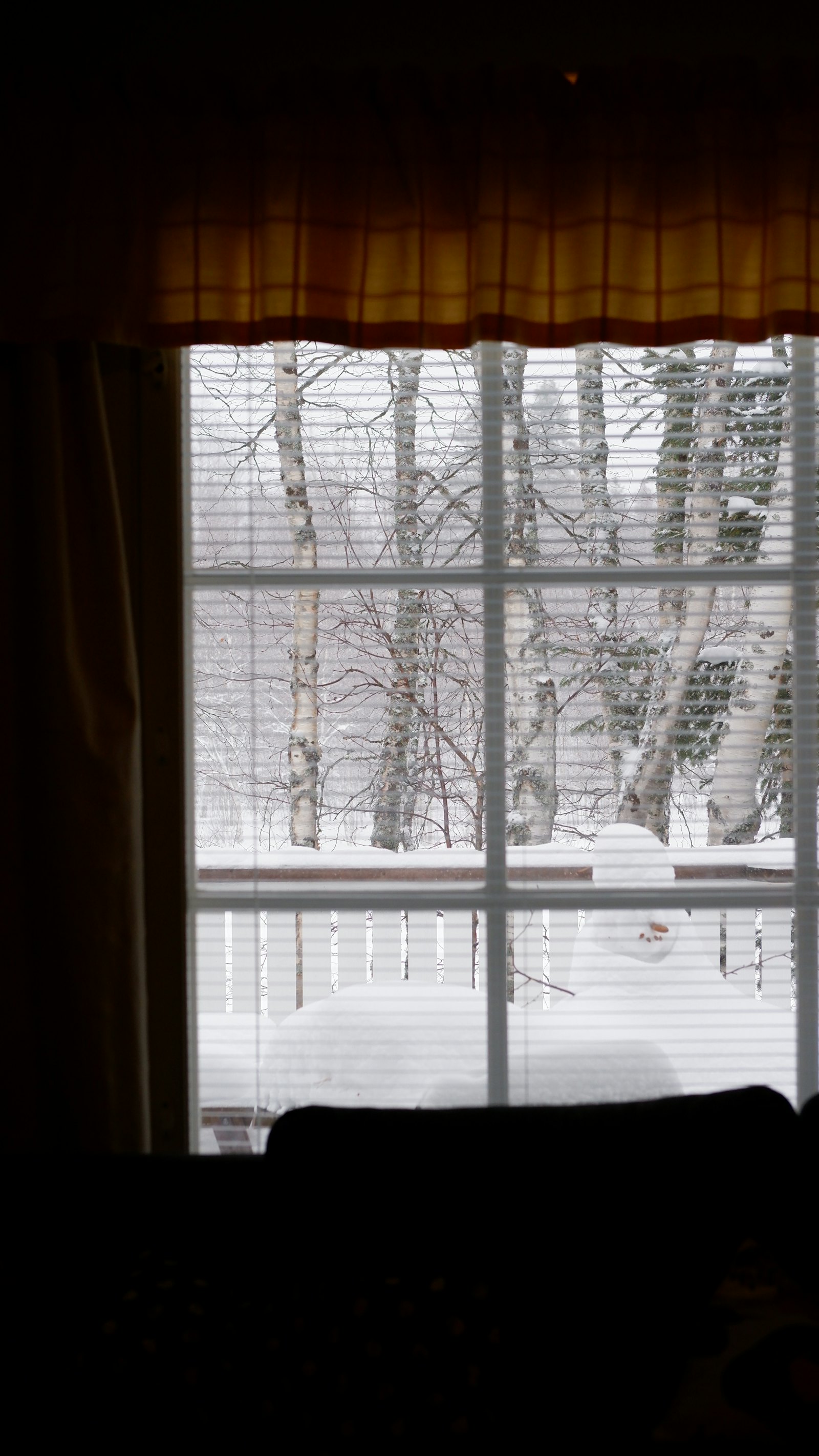
When a winter storm knocks out the heat, staying warm is about layers, smart choices, and avoiding the real dangers. Here's a calm plan for families.
A winter storm has a way of feeling cozy right up until the power goes out — and then the temperature in the house starts to drop, and “cozy” turns to “how long can we stay comfortable?” The reassuring answer: with a little preparation, a family can stay warm and safe through a cold outage without any drama. It comes down to conserving heat, layering up, and steering clear of the few genuine dangers.
Here’s how to handle a winter storm calmly, from prep to power-out.
Before the storm: warm up your prep (an afternoon)
If you live where winter storms hit, get these squared away before the season:
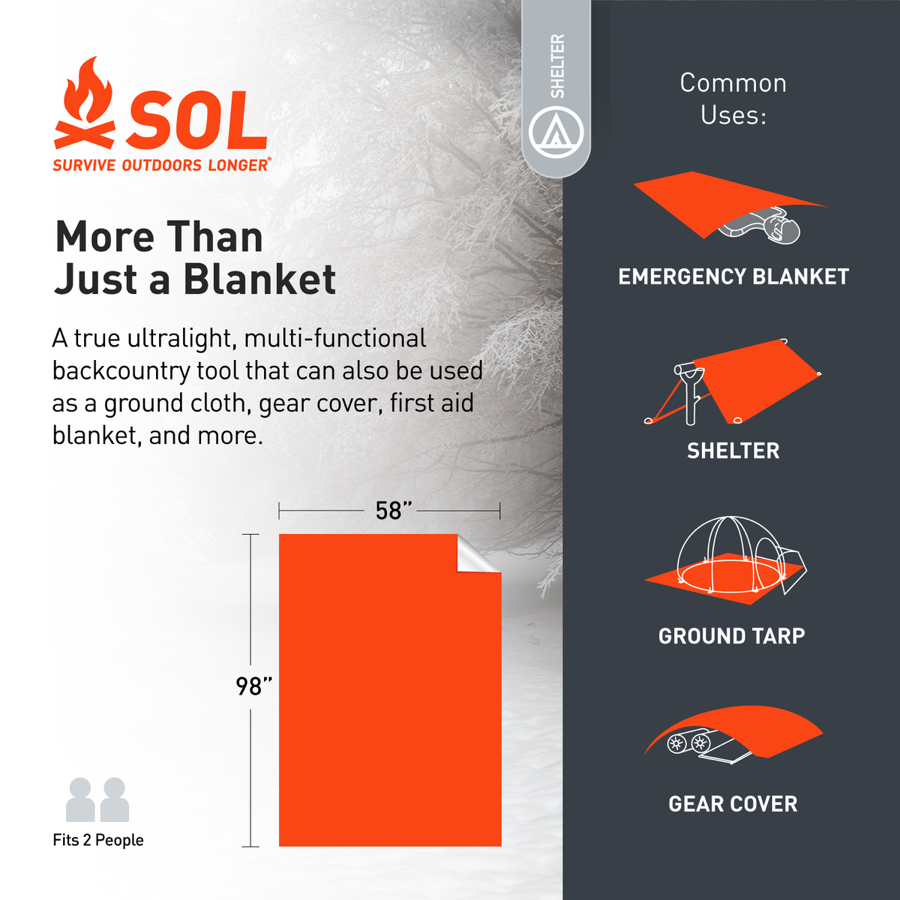
- Warmth gear. Have more blankets than you think you need, and add a few emergency blankets — they’re compact and reflect body heat surprisingly well. A cold-rated sleeping bag per person is the single warmest thing you can own; the Coleman Brazos bag is an affordable family pick.
- Hand and body warmers. A box of hand warmers like HotHands costs little and does a lot for morale and cold fingers.
- A safe way to make hot food and drinks. A camp stove (used with ventilation) means hot soup and cocoa, which warm you from the inside and lift everyone’s spirits.
- Light and power. Long winter nights mean you’ll lean on lanterns, flashlights, and power banks. Charge everything when a storm is forecast, and consider a portable power station for longer outages.
- A carbon monoxide detector. This is non-negotiable in winter — a CO detector like the First Alert detector is what keeps a heating mistake from becoming a tragedy. More on that below.
Our full winter storm scenario page gathers the whole checklist.
When the heat goes out: trap the warmth you have
Your first job isn’t making heat — it’s keeping the heat that’s already in your house. It leaves slowly if you’re smart about it:
- Close off one room and gather the family there. A smaller space with more bodies stays warm far longer than the whole house. Pick an interior room with few windows.
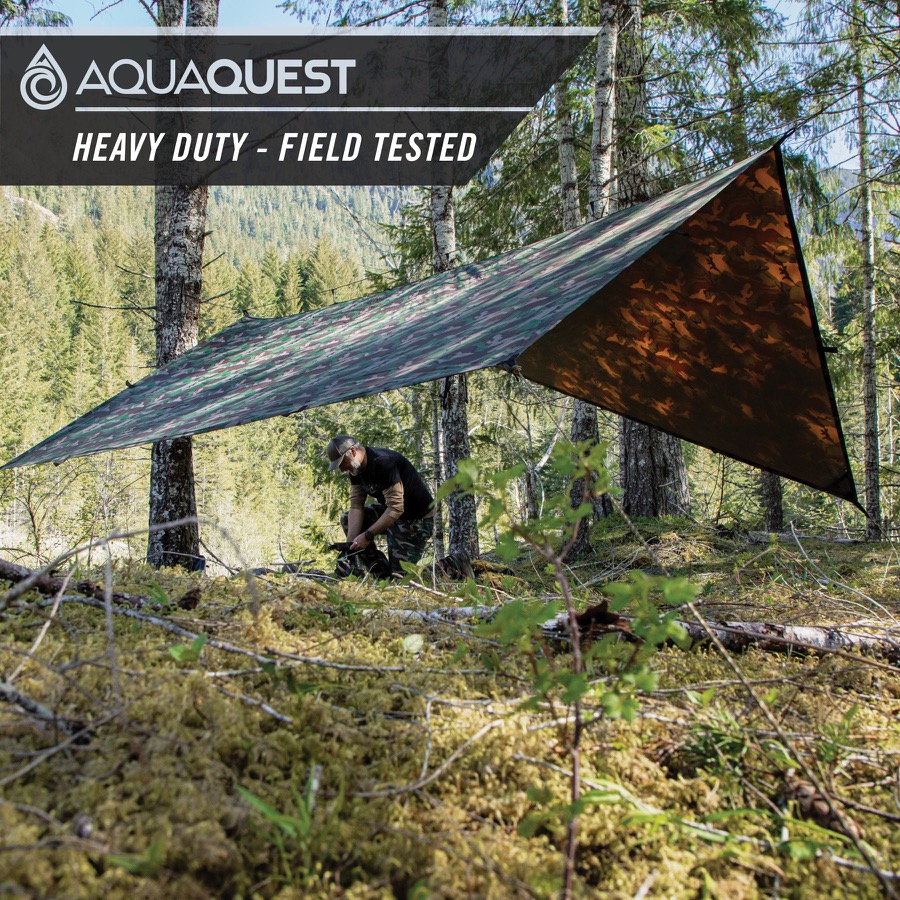
- Seal the drafts. Close doors to unused rooms, draw the curtains at night (they insulate), and lay a rolled towel or blanket along the bottom of doors.
- Make a blanket fort. Genuinely — draping blankets to make a smaller enclosure over the couch or a bed traps body heat and turns a cold night into an adventure for the kids.
Layer up the right way
How you dress matters as much as any gadget:
- Layers beat one thick coat. Several thinner layers trap warm air between them; you can add or shed to stay comfortable without sweating.
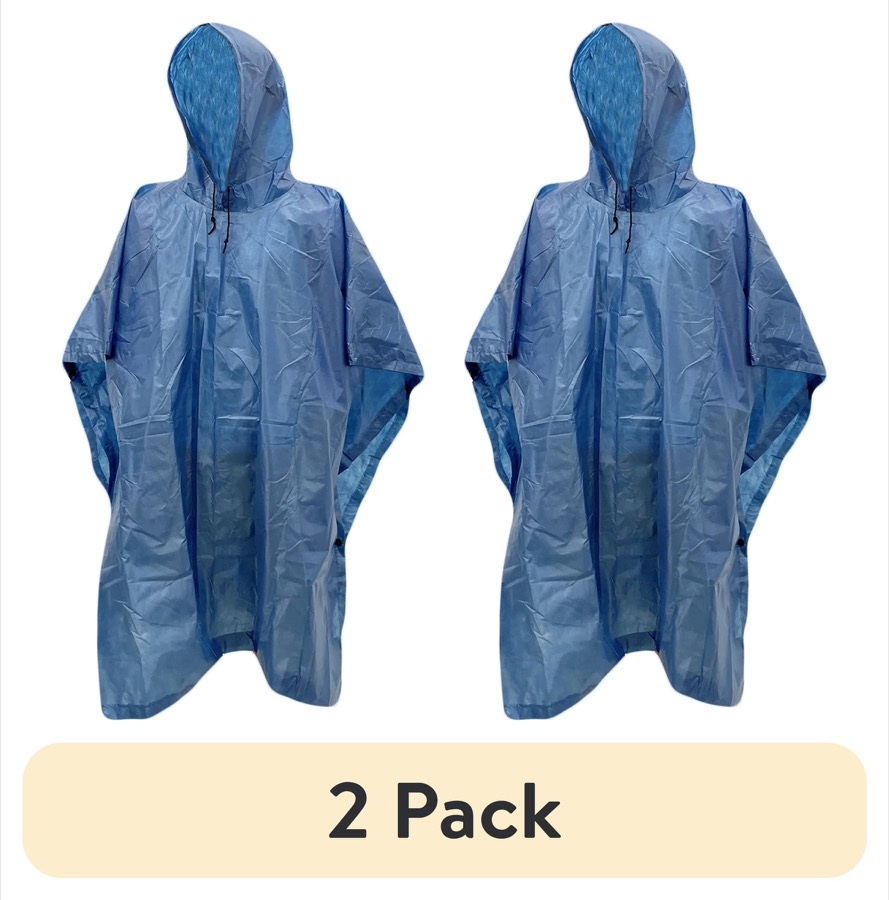
- Cover the heat-losers — a hat, warm socks, and gloves. A shocking amount of warmth escapes from an uncovered head, hands, and feet.
- Stay dry. Damp clothing pulls heat away fast. Change out of anything wet immediately.
- Get off the cold floor. Sit and sleep on cushions, foam pads, or extra blankets — the ground and floor wick warmth out of you.
- Eat and drink warm. Hot food and warm (non-alcoholic) drinks help your body generate heat. Keep everyone fed and hydrated.
Tuck hand warmers into pockets, boots, and sleeping bags for an easy morale boost, and zip the kids into their sleeping bags for the night — it’s the warmest, coziest place in the house.
The dangers to take seriously (and how to avoid them)
This is where calm preparation really matters, because a couple of well-meaning mistakes cause most cold-weather emergencies:
- Never heat your home with anything meant for outdoors or cooking. No camp stoves, charcoal grills, or gas ovens used to warm a room, and never a generator indoors or in an attached garage. These produce carbon monoxide — an invisible, odorless gas that’s deadly in an enclosed space. This is the single most important rule of a winter outage. Keep a working CO detector running, always.
- Use space heaters carefully. If you have a safe, powered heater, keep it clear of blankets and curtains and never leave it running unattended or overnight.
- Watch for the warning signs of cold. Shivering, numbness, and clumsiness signal it’s time to warm up now — layer on, share body heat, and get into a sleeping bag. Keep an especially close eye on kids and older family members, who lose heat faster.
Keep everyone’s spirits up
A cold night is easier when it feels like an event, not an ordeal — and kids take their cue from you. Break out board games and cards, tell stories by lantern light, make hot cocoa, and lean into the campout energy. Our guide to getting through a power outage with young kids is full of ways to keep little ones warm, fed, and unafraid.
If it drags on
For a multi-day storm, pace your resources: use the power station for essentials like phone charging and, if needed, keeping the fridge cold; ration hand warmers; and keep melting snow or stored water available (here’s how much water your family needs). If your home simply gets too cold to stay safe, don’t tough it out — go to a friend’s, family’s, or an official warming center.
Your calm next step
Before the first freeze, gather warm layers, a few emergency blankets and sleeping bags, a box of hand warmers, and — most importantly — make sure a working CO detector is on every level of your home. Do that, and a winter storm that knocks out the heat becomes a long, cozy campout indoors instead of something to fear. Start with the winter storm prep list and you’ll be ready before the snow flies.
By Sunny Supply Co.